

The $10,000 Workstation Problem
What I’m Seeing Happen to Creative Teams in 2026
A few years ago, a six thousand dollar workstation felt like a serious investment. If you specced it right, you could rely on it for years. It gave you confidence. You knew what it could handle.
Now I’m seeing teams quote ten thousand dollars or more for machines that still feel marginal the moment a project gets heavy.
That isn’t because creatives suddenly need more for the sake of it. It’s because the ground underneath creative technology has shifted very quickly, and most people are still operating as if it hasn’t.
The Hardware Market Is No Longer Built for Creators
What’s changed most isn’t the software. It’s the hardware economy around it.
GPUs, memory, and compute are being pulled into data centres at an unprecedented scale. AI has become the priority customer. Creative work is no longer the main driver of how silicon is priced, allocated, or optimised.
I’m seeing the knock-on effects everywhere:
- Workstations cost more, but don’t last as long
- RAM prices spike without warning
- Teams overbuy “just in case” and still get caught short
The old logic was simple. Own the machine and you control your destiny. That logic is breaking.
Ownership Is Starting to Feel Like a Liability
I talk to a lot of creative teams who are doing everything right creatively, but are boxed in operationally.
They’ve spent heavily on machines that depreciate fast. They’ve locked themselves into capacity that only really matches an average week, not the peaks. And when the work ramps up, they’re still waiting.
Waiting for renders.
Waiting for machines to free up.
Waiting for files to move.
That waiting is the real cost. Not just money, but momentum.
The Real Issue Isn’t Power. It’s Control
What’s becoming clear is that creative teams don’t actually want to own hardware anymore. They want to control outcomes.
They want to know:
- Can I give my team the power they need today, not next quarter?
- Can I see what’s being used and what it’s costing, in real time?
- Can I scale without betting the business on another hardware cycle?
This is where creative operations start to look less like IT, and more like strategy.
Why Control Beats Ownership in 2026
The teams I see moving fastest aren’t buying bigger machines. They’re changing the model entirely.
They’re separating creative work from physical infrastructure. Performance becomes something you access, not something you own. Capacity becomes elastic. Costs become visible.
That shift alone removes an enormous amount of friction.
Instead of arguing about budgets, people focus on the work.
Instead of waiting, they move.
Where Studio in a Box Fits
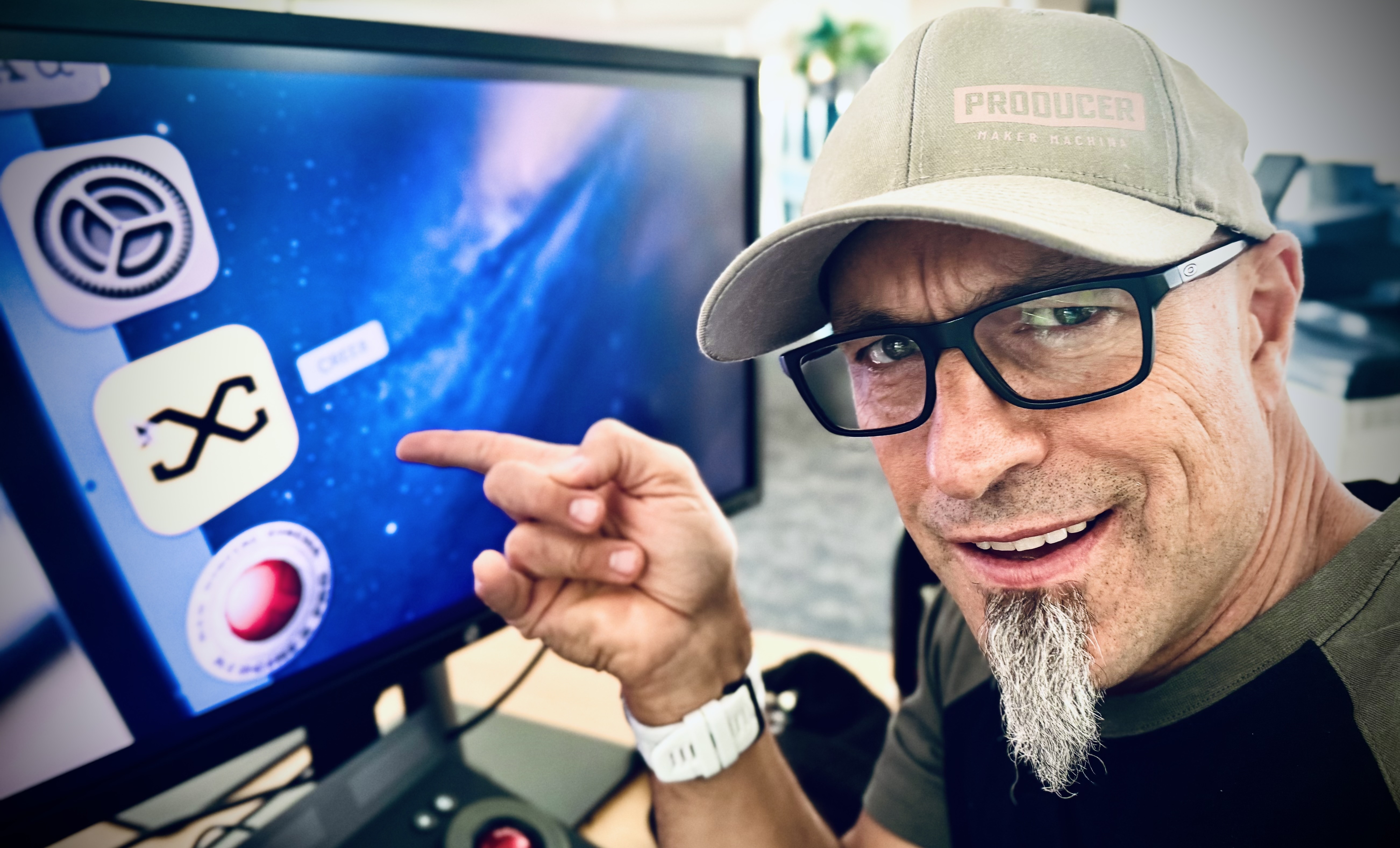
This is why CREE8 makes sense to me, and why I’ve backed it.
Studio in a Box isn’t about selling cloud for the sake of it. It’s about giving creative teams control back.
Control over when performance appears.
Control over who gets it.
Control over cost, scale, and timing.
You still get the power of a ten thousand dollar machine. You just don’t have to own the risk that comes with it.
The New Normal Is Already Here
The industry hasn’t fully caught up yet, but the direction is obvious.
Creative work is accelerating. Hardware is becoming more volatile. Ownership is less predictable. Control is everything.
In 2026, the smartest teams won’t be defined by what’s under their desks. They’ll be defined by how quickly they can respond when the work demands more.
From where I’m sitting, that shift is already underway.
Visit CREE8.io for more information

